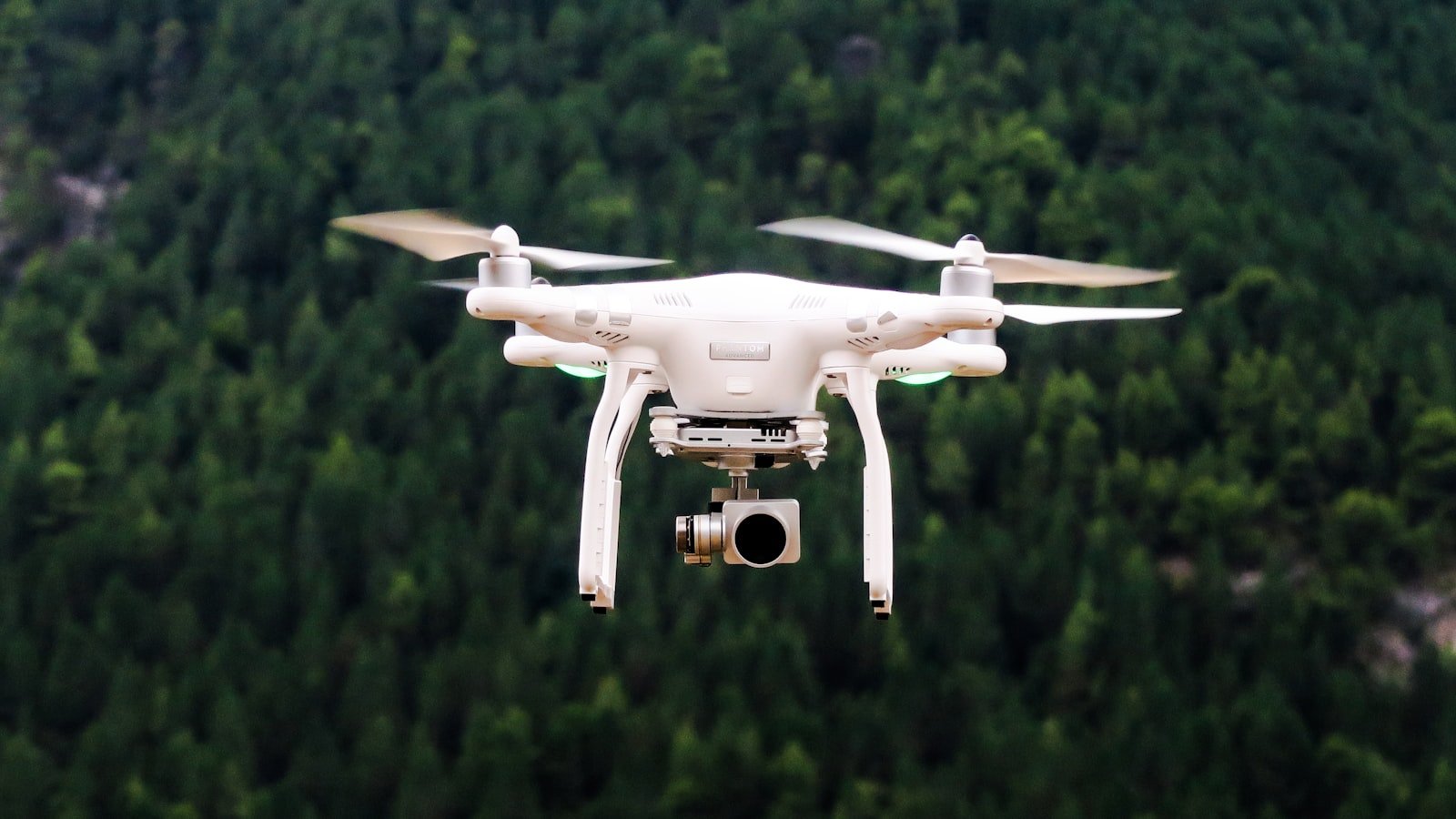
A drone is three patent disciplines in one product: an airframe with mechanical and aerodynamic invention, an embedded avionics and controls layer, and increasingly an AI autonomy stack on top. Drafting well here means understanding all three at once – and this is a field where your counsel has been on the engineering side, having worked on UAV systems including autonomous platforms for environmental sensing.
Where drones meet AI
The most valuable UAV inventions today live in the autonomy stack: perception and sensor fusion, obstacle avoidance, path planning, precision landing, swarm coordination, and mission-level decision-making. These are software inventions with a §101 eligibility problem waiting for careless drafting. We anchor autonomy claims in the concrete technical improvement (the flight behavior, the sensing result, the bandwidth or power saved) so they stand up the way our software & AI practice demands.
- Perception, sensor-fusion, and navigation methods claimed as technical improvements
- Claim coverage split deliberately across the aircraft, the ground station, and the cloud
- Fallback positions for the parts of the stack competitors can observe in flight
Airframes, propulsion, and payloads
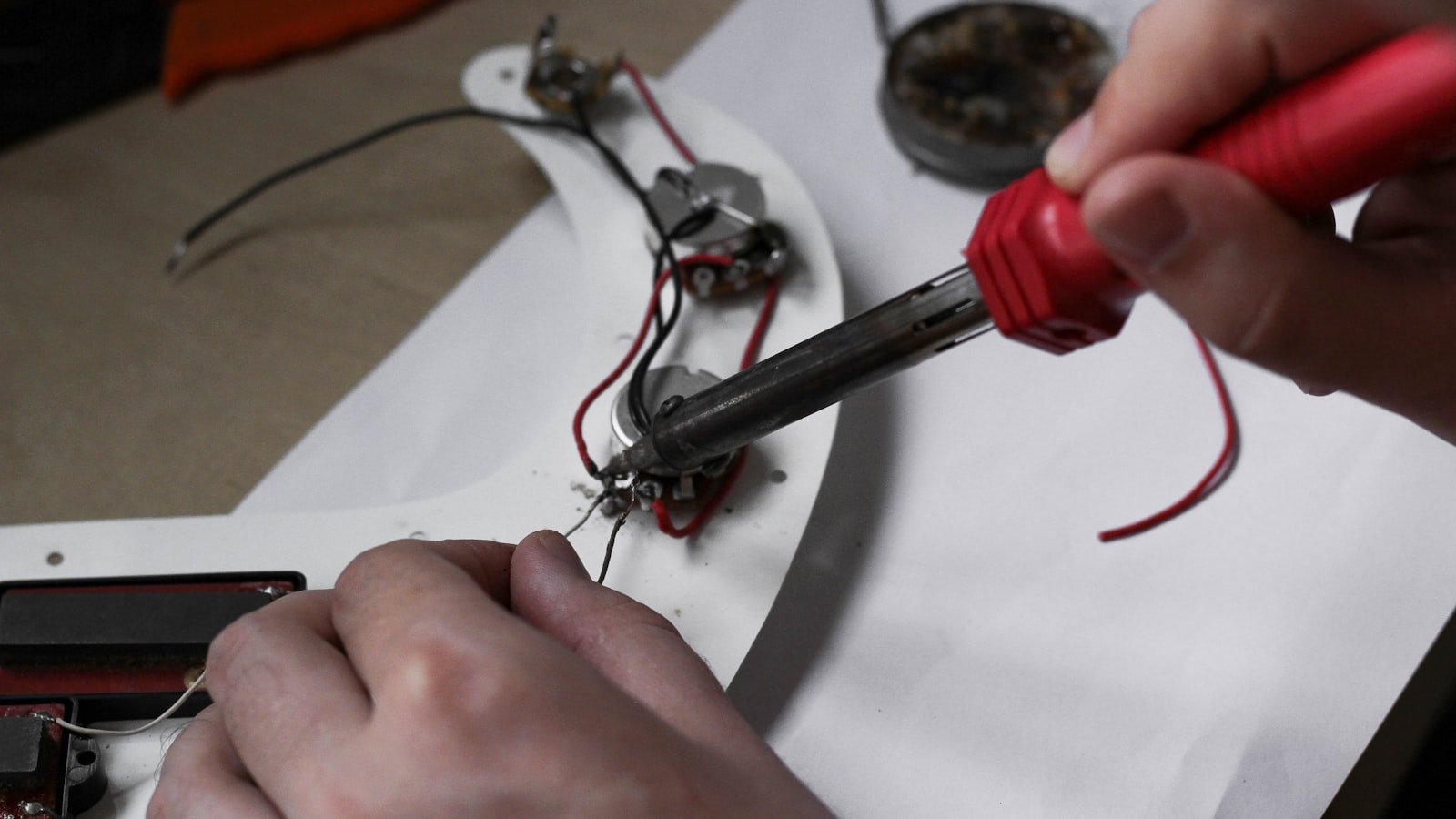
The hardware side rewards classic mechanical drafting: VTOL and fixed-wing hybrid configurations, folding and modular airframes, gimbal and payload-release mechanisms, endurance and thermal management. Design patents earn their keep here too – a distinctive airframe is exactly the kind of thing copycats imitate first.
Export control and disclosure discipline
Aerospace inventions can implicate export-control regimes (ITAR and EAR) and the foreign-filing license requirement that applies to inventions made in the United States. That shapes what you disclose, to whom, and where you file first. We flag these issues early and coordinate with export-control counsel when a technology needs it.
Typical trigger: "Our autonomy feature is the whole company and a bigger player just announced the same thing," or "A customer wants to license the platform and we have nothing filed." The window matters; fly it early.
What we handle
- Utility patents for airframes, avionics, controls, and autonomy software
- Design patents for distinctive airframe and controller designs
- Provisional-first strategies timed to demo days and trade shows
- Freedom-to-operate in a crowded and fast-moving patent space
- Portfolio strategy spanning hardware, software, and data