A utility patent gives you the right to exclude others from making, using, or selling your invention for 20 years from filing. It is the core asset of most portfolios – and its value is decided almost entirely at drafting time, years before anyone tests it.
What a utility patent protects
Machines, processes, articles of manufacture, compositions, and improvements to any of them. If your invention does something – a mechanism, a manufacturing method, a control system, an algorithm tied to a technical result – utility protection is usually the right instrument.
How we draft
Every application starts with a prior-art search, because claims drafted blind are claims drafted wrong. From there we build a specification deep enough to support fallback positions, and a claim set structured as a hierarchy: independent claims staking the broadest defensible scope, dependent claims layering in the details that survive when the broad claim is squeezed.
- Prior-art search and patentability assessment before drafting begins
- Specifications written to support the claims you'll need in five years, not just today's
- Claim sets drafted with examination and enforcement both in mind
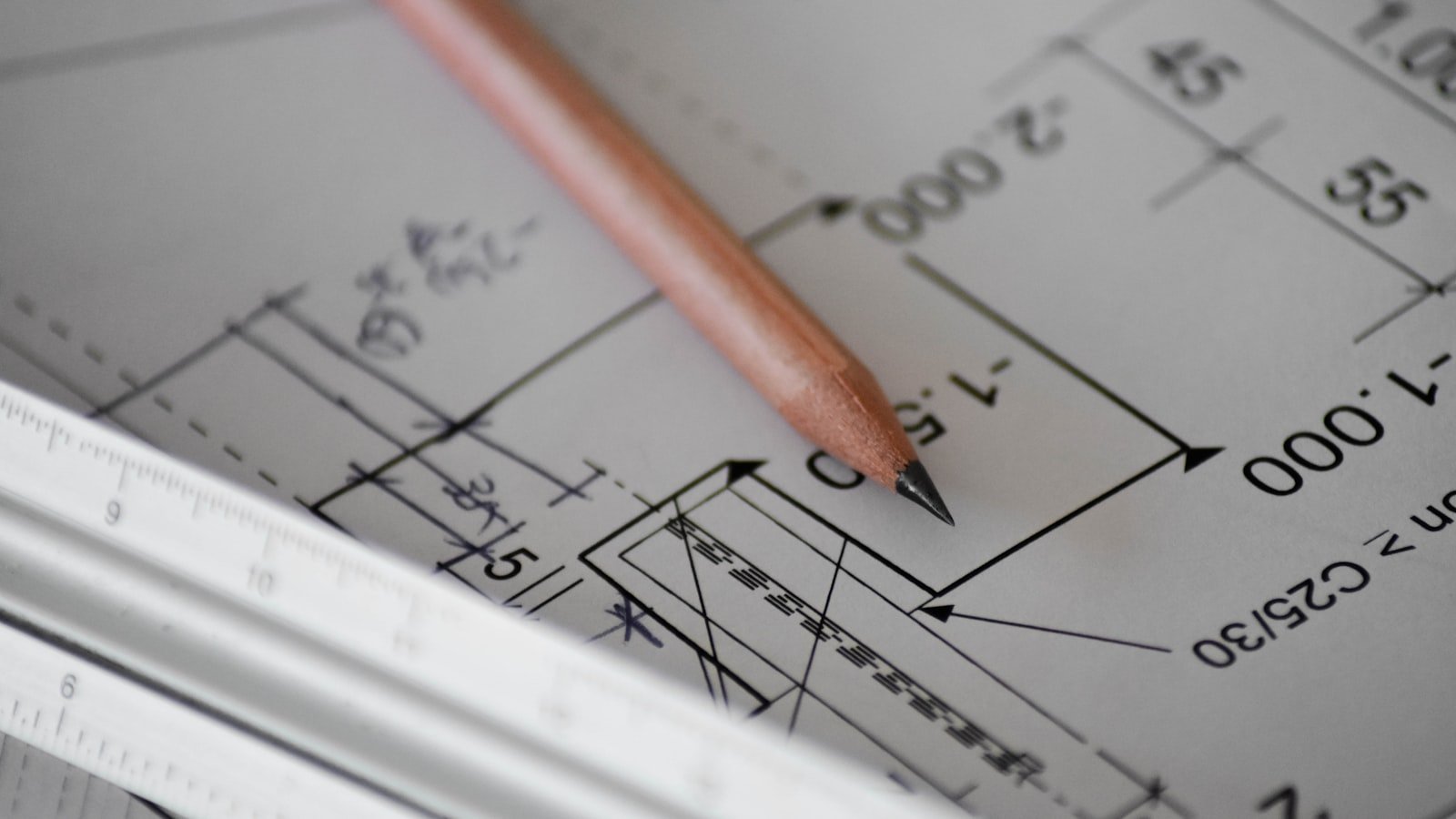
- Drawings prepared to USPTO standards, coordinated with the claim language
What it costs and how long it takes
Examination at the USPTO typically runs one to three years depending on the technology area; prioritized examination is available when speed matters. Costs depend on the complexity of the invention – we quote flat fees for drafting after the initial consultation, so there are no surprises.
Where inventors get hurt: filing after a public disclosure or sale has started the one-year clock, and filing thin applications that can't support the claims they later need. Both are avoidable – early.