Manufacturers sit on more protectable innovation than almost anyone – and file on the least of it. A better fixture, a faster process, a cleverer mechanism, a distinctive product shape: each can be a patent, a design patent, or a trade secret. The trick is knowing which tool fits which asset.
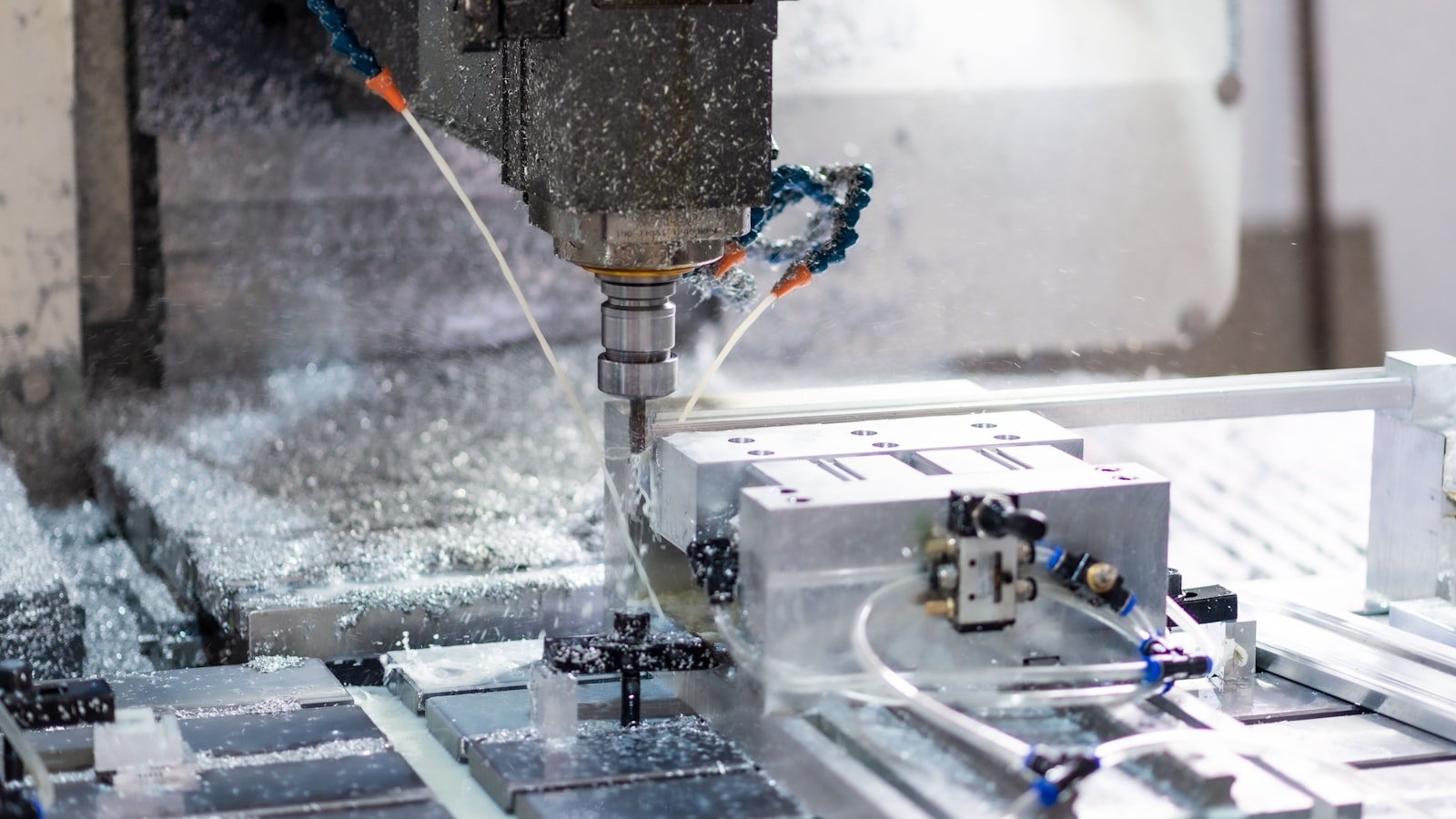
Utility patents for how it works
Mechanisms, assemblies, manufacturing processes, tooling, and control systems. We draft with an engineer's eye for the claim that actually reads on what a competitor would build – and survives when you need to enforce it.
Design patents for how it looks
For hard goods with a distinctive appearance, design patents are fast, affordable, and genuinely powerful against copycats. They pair well with utility filings to cover both the function and the form.
Trade secrets and process know-how
Not everything belongs in a published patent. Process parameters, formulations, and methods that competitors can't reverse-engineer are often better kept as trade secrets – protected by the right agreements and internal hygiene. We help you sort what to file from what to lock down.
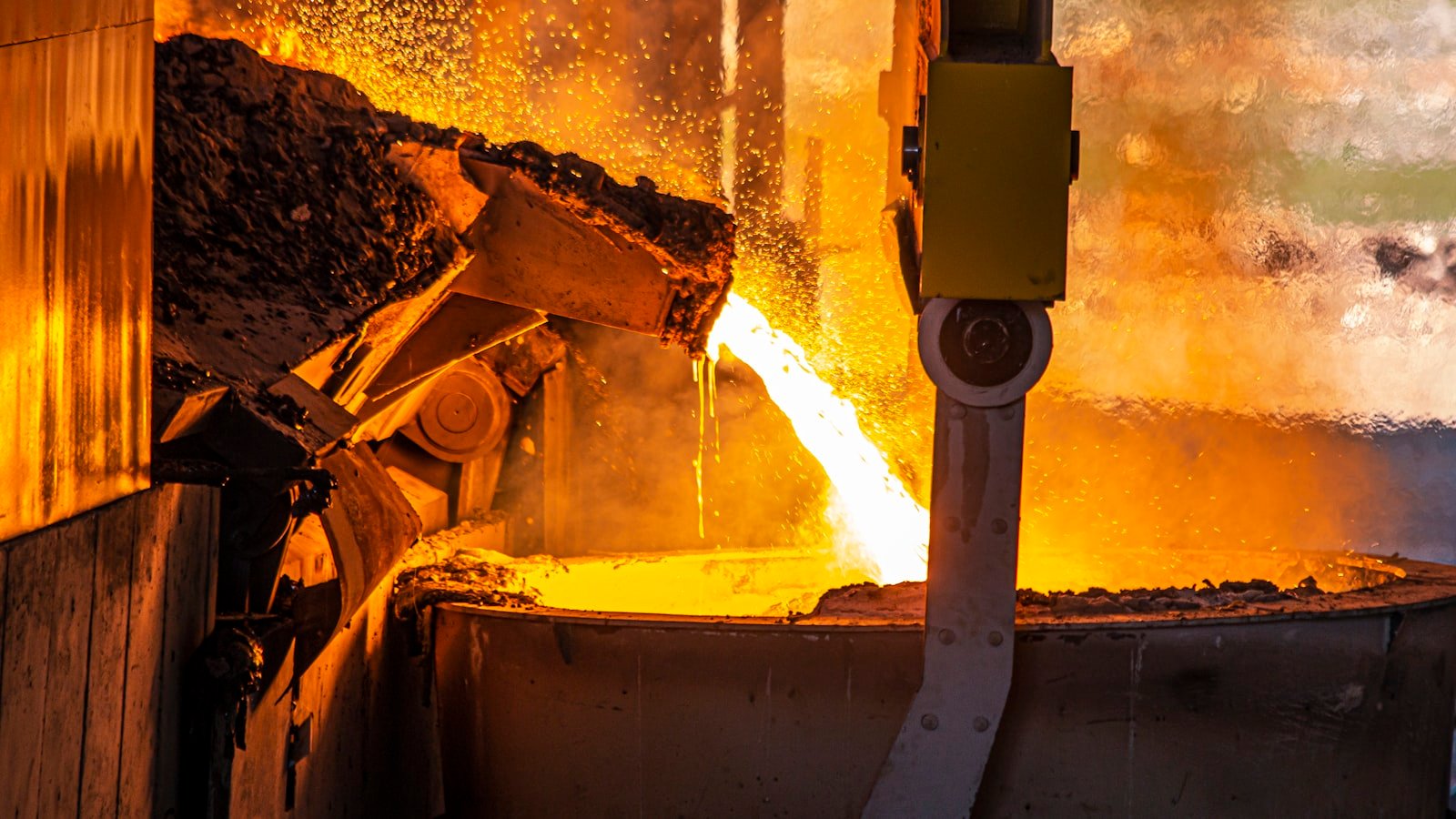
Freedom-to-operate and enforcement
Before you tool up for a new product line, know whether you're clear to sell. And when someone copies you, we send the cease-and-desist, evaluate the claim, and coordinate with litigation counsel if it escalates.
Special use cases
Some corners of manufacturing have patent playbooks all their own – and they happen to be corners where this practice has hands-on engineering experience:
- Drones & AerospaceUAV platforms, avionics, and the AI autonomy stack that flies them.
- AutomotiveSuppliers, ADAS and software-defined vehicles, EV powertrains, and the processes behind them.
- Green TechnologyClean energy, water technology, and autonomous environmental monitoring.
Typical trigger: "A competitor is selling a knock-off of our product," or "A customer is asking whether our new line infringes anyone's patents." Both are answerable – the sooner the better.
What we handle
- Utility and design patents for machines, processes, and consumer hard goods
- Freedom-to-operate opinions before a product launch
- Trade-secret programs and invention-capture for the shop floor
- Cease-and-desist letters and enforcement strategy
- Portfolio strategy tied to product roadmaps