You've spent years figuring out how to make parts your competitors can't match. But without intellectual property behind it, you're leasing that advantage — and when an employee leaves, an OEM leans on you, or a buyer kicks the tires, you find out what you really own. We help manufacturers turn know-how into owned, defensible value.
Most shops have refined their processes for years. The uncomfortable truth: without IP protection, you don't actually own any of it.
Your expertise, your equipment, your customer relationships — real, but mobile. The person who "just knows" how to run the pour can walk. A competitor can reverse-engineer your part. An OEM can demand your process in a 40-page contract. A buyer can value all of it at zero if you can't point to what you own.
Intellectual property is how you stop renting. Done right, it plays three roles at once.
Every engagement strengthens one of three edges. Patents and trade secrets aren't the goal — they're the tools.
The same four situations play out across the industry. IP decides which side of them you land on.
A 28-year supervisor retires. Within six months the reject rate doubles and nobody can say why. Documented as a trade secret first, that know-how stays with the company — and a patent on the novel step survives any single employee.
A big customer's contract demands your process. With no patent, you have no leverage — disclose, and two years later the work moves overseas using what you gave away. Patent first, and that's background IP you license on your terms.
An overseas shop buys your casting, sections it, and undersells you. Reverse engineering is legal — trade secrets won't help. A patent on the design is the one tool that stops them, and can block the imports at the border.
A PE buyer asks what proprietary technology you have. "We're just really good" walks the deal. Documented trade secrets and a few well-placed patents answer the question — and move the multiple.
Illustrative industry scenarios drawn from common manufacturing situations. Not client results, and not a prediction or guarantee of any particular outcome.
One focused engagement to answer the question a buyer, a court, or an OEM will eventually ask: what do you actually own? We walk your operation with fresh eyes, find what's protectable, and hand you a prioritized roadmap you can act on this quarter.
Most engagements start small and grow with the relationship. No subscription required.
Fixed-fee diagnostic. Find what's protectable and what's exposed, and leave with a roadmap. The on-ramp to everything else — and creditable toward the work it recommends.
Discrete, scoped work: a cease-and-desist (sending or responding), a trade-secret documentation program, an FTO opinion, an offensive patent filing, or an OEM contract IP review.
A structured program to make your business sellable — documenting trade secrets and filing the patents that turn "what are we buying?" into a higher multiple. Best started 5-10 years before exit.
For shops that want IP handled as a standing function — portfolio decisions, new-process reviews, and an annual audit — on a predictable retainer.
An engineering background and a foundry's-eye view of where real advantage lives — and how it leaks away.
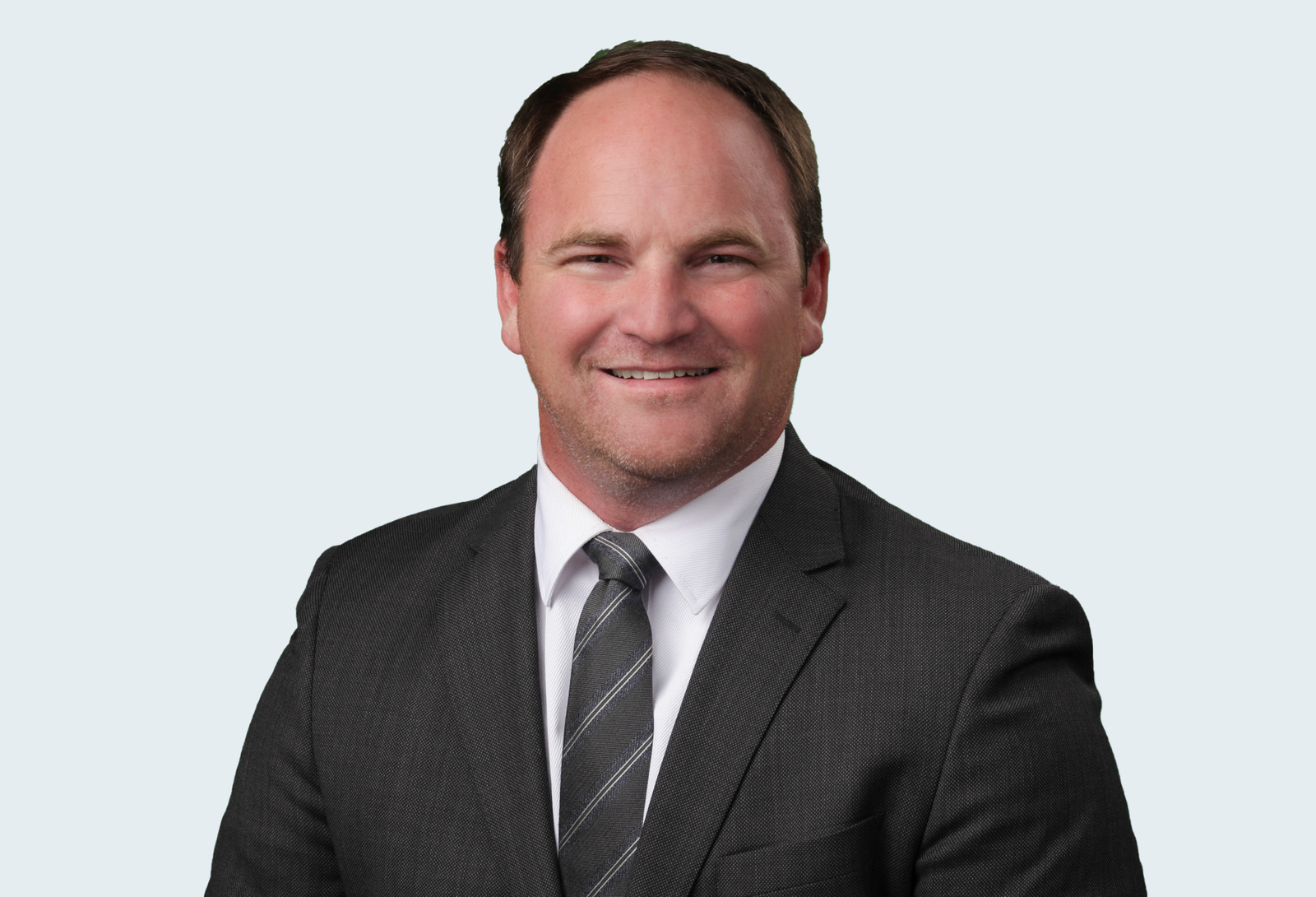
Brad is a USPTO-registered patent attorney with engineering degrees in mechanical and electrical engineering — someone who reads a process sheet the way your shop does. He works directly with owners and engineers to turn hard-won know-how into IP that holds up when it counts: in front of a copycat, a departing employee, an OEM, or a buyer.
He speaks to manufacturers about exactly this. His talk for the American Foundry Society — "Sword, Shield, and Bridge: Use Cases for Intellectual Property" — is the backbone of how Forge & Fence works: practical, ROI-first, and built around the question that decides your exit and your legacy. Are you renting, or owning?
Building a startup or hard-tech company instead? Tensor Vector IP › handles patent prosecution and IP strategy for inventors, founders, and engineering teams.
Every year you wait is a year you can't get back — patents take time, and portfolios take longer. Start with an audit and find out what you actually own.